Deconstructing Algorithms
A thesis studio exploring how designers can make algorithmic systems legible, accountable, and open to public understanding.
This thesis studio brought together Daksha Dixit, Simran Singh, Apoorva Avadhana, Nupur Patny, and Shreya Mishra to explore algorithmic literacy through design.

Overview
Algorithms shape what people watch, buy, learn, and understand, yet the processes behind those decisions are often difficult to inspect. Deconstructing Algorithms asked how designers might make these systems more legible without oversimplifying how they work.
I designed and facilitated the studio as a thesis theme elective for the Undergraduate Design Program at Srishti Manipal Institute in Bangalore. The brief brought programming and systems thinking into conversation with philosophical deconstruction. Students used research, prototyping, and speculation to examine the assumptions behind algorithmic systems and the ways people can understand and influence them.
Contributors

The work belongs to its student authors: Daksha Dixit, Simran Singh, Apoorva Avadhana, Nupur Patny, and Shreya Mishra.
Deciphering Algorithms
Discovering algorithmic literacy through explainable AI — Daksha Dixit and Simran Singh
Deciphering Algorithms treats interaction with a digital service as an opportunity to learn. It asks what people should be able to know about an algorithmic decision, which parts of a system they can control, and how an explanation can give people more agency without adding complexity.
The proposed Algo-Lit browser plugin adapts the familiar idea of a web inspector. It lets people examine interface elements, preferences, controls, and the steps that contribute to a recommendation. The project draws on explainable AI, pedagogy, and instructional design to reveal information progressively and help people develop confidence as they explore a system.
Greenbox Algorithms
Financial indicators that motivate impact investment — Apoorva Avadhana, Nupur Patny, and Shreya Mishra
Greenbox explores how environmental, social, and governance information could sit alongside familiar financial measures. The team studied ESG reporting, impact investment, and the gap between the information companies disclose and the information investors can readily use.
Their proposal is an experimental stock indicator that combines sustainability and financial data. Rather than asking someone to rebuild an entire portfolio, Greenbox helps an investor set a comfortable target for impact investments and assess companies using both financial and sustainability measures.
The project received first place for Social Impact and Bottom-up Design at the IAMAI Design Leadership Awards 2020 and first place for Design for Social Impact at the ADI Awards 2021.
Process
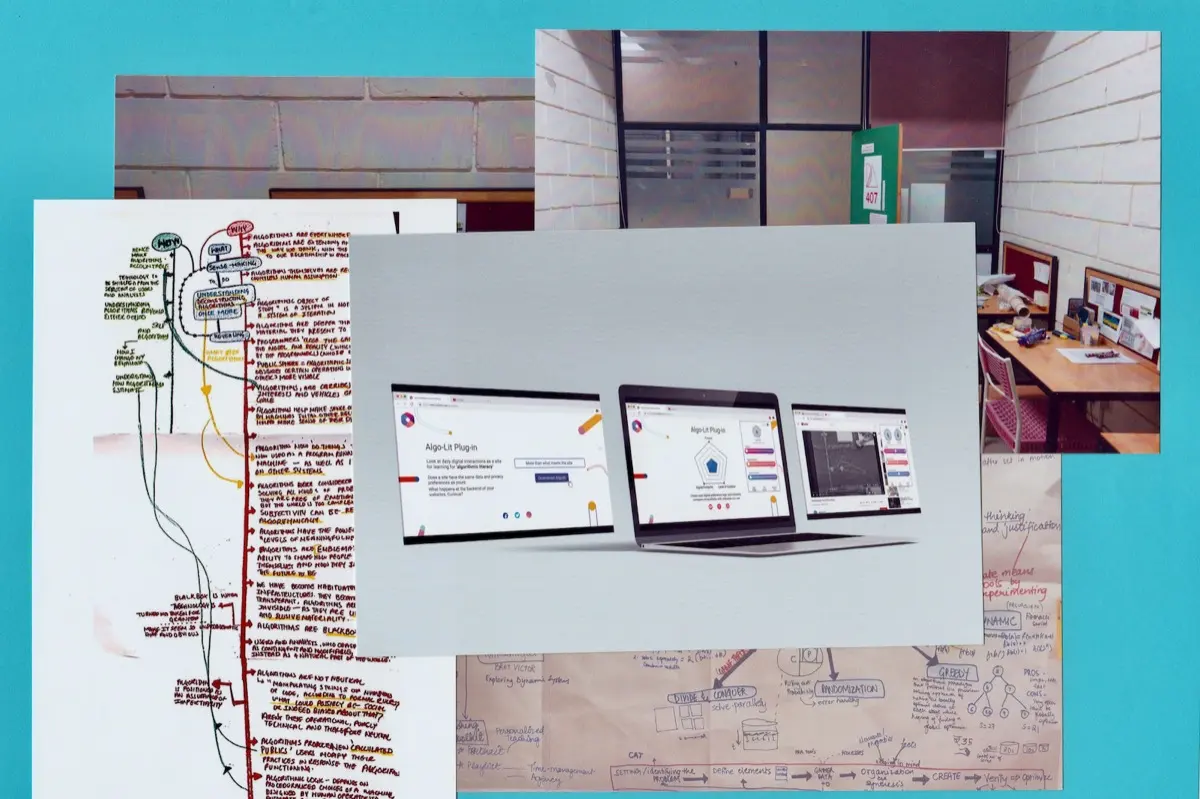
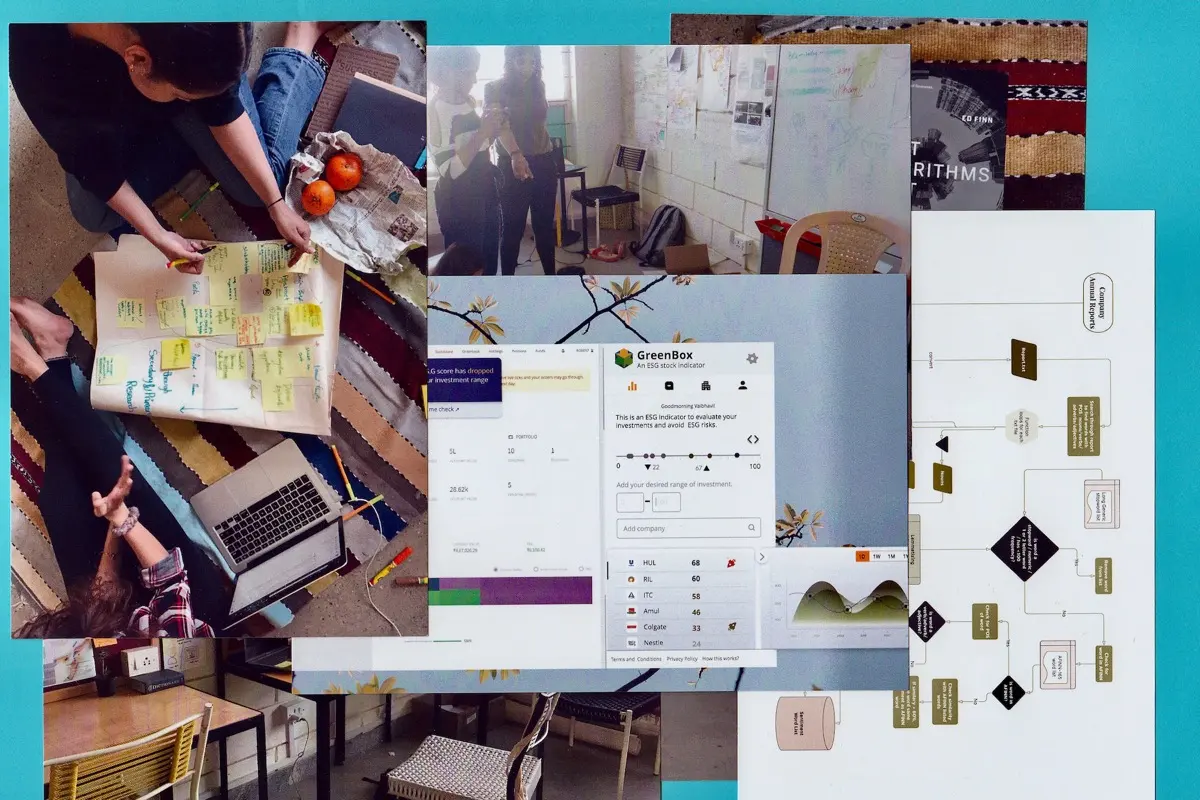
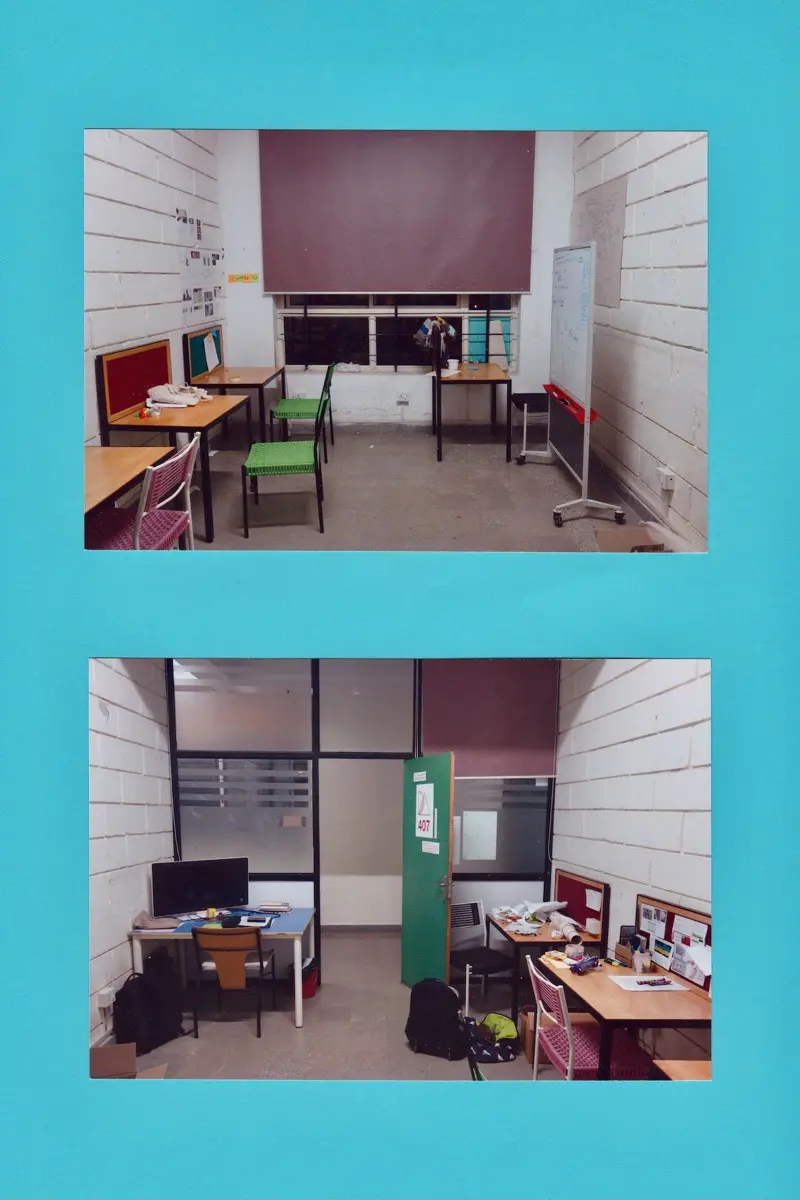
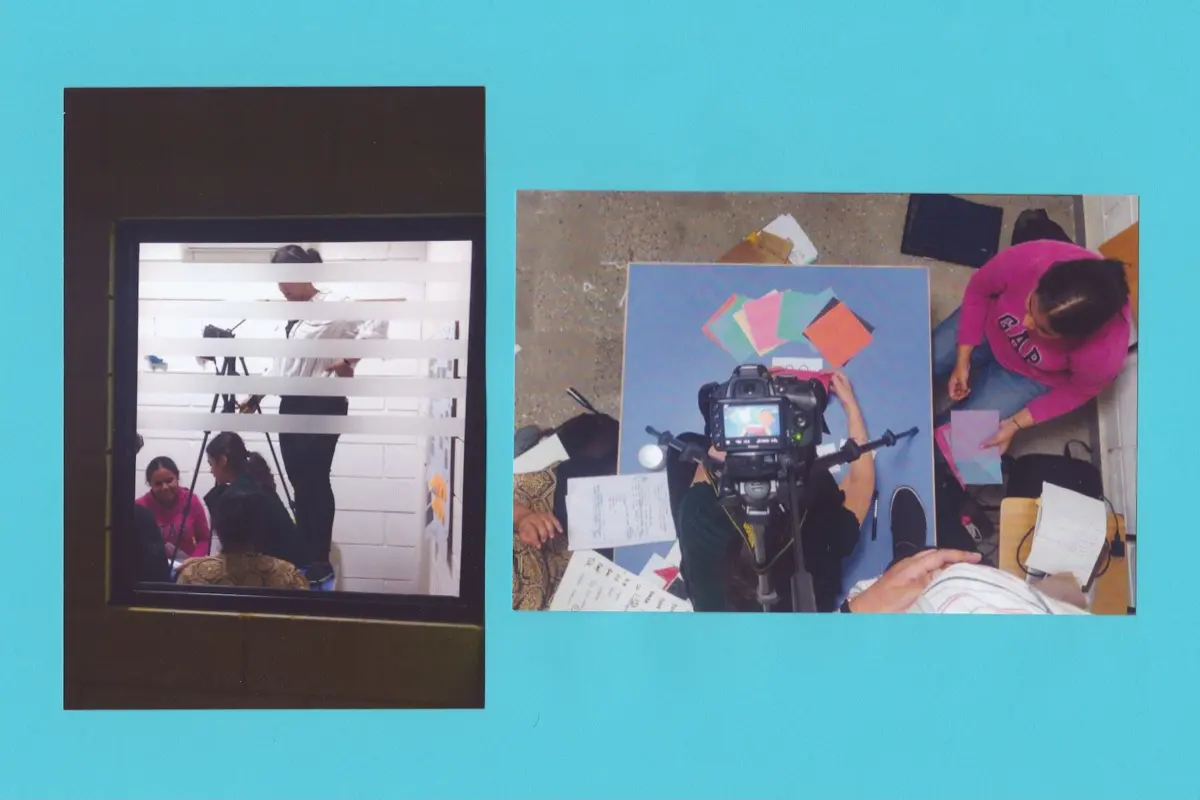
The studio participants also created Oribaka, an experimental language for communicating origami instructions to visually impaired participants. The exercise made algorithmic thinking tangible: the team had to break a task into precise steps, test its language with other people, and revise it when an instruction failed.
Reflection
The studio concluded during the first year of the pandemic, after students had left the shared project room and continued their work remotely. That constraint made the project’s central question more immediate: how can people inspect and question systems that mediate their lives but remain largely invisible?
Vineeta Rath, who mentored the participants during their undergraduate program, described the two projects as proposals for more humane and inclusive futures. I share that reading. Their strongest contribution is not a single interface or indicator, but a practical argument that algorithmic systems can be opened to more people through careful design.
With thanks to Vineeta Rath, Venkat Chilukuri, Rustam Vania, Rocío Fatás, Naveen Bagalkot, Karan Dudeja, Srijan Sandip Mandal, Geetha Narayanan, and the many colleagues and participants who reviewed, supported, and tested the work.